
The Basics: Sour Cream Flaky Pastry
The Perfect Pie Dough

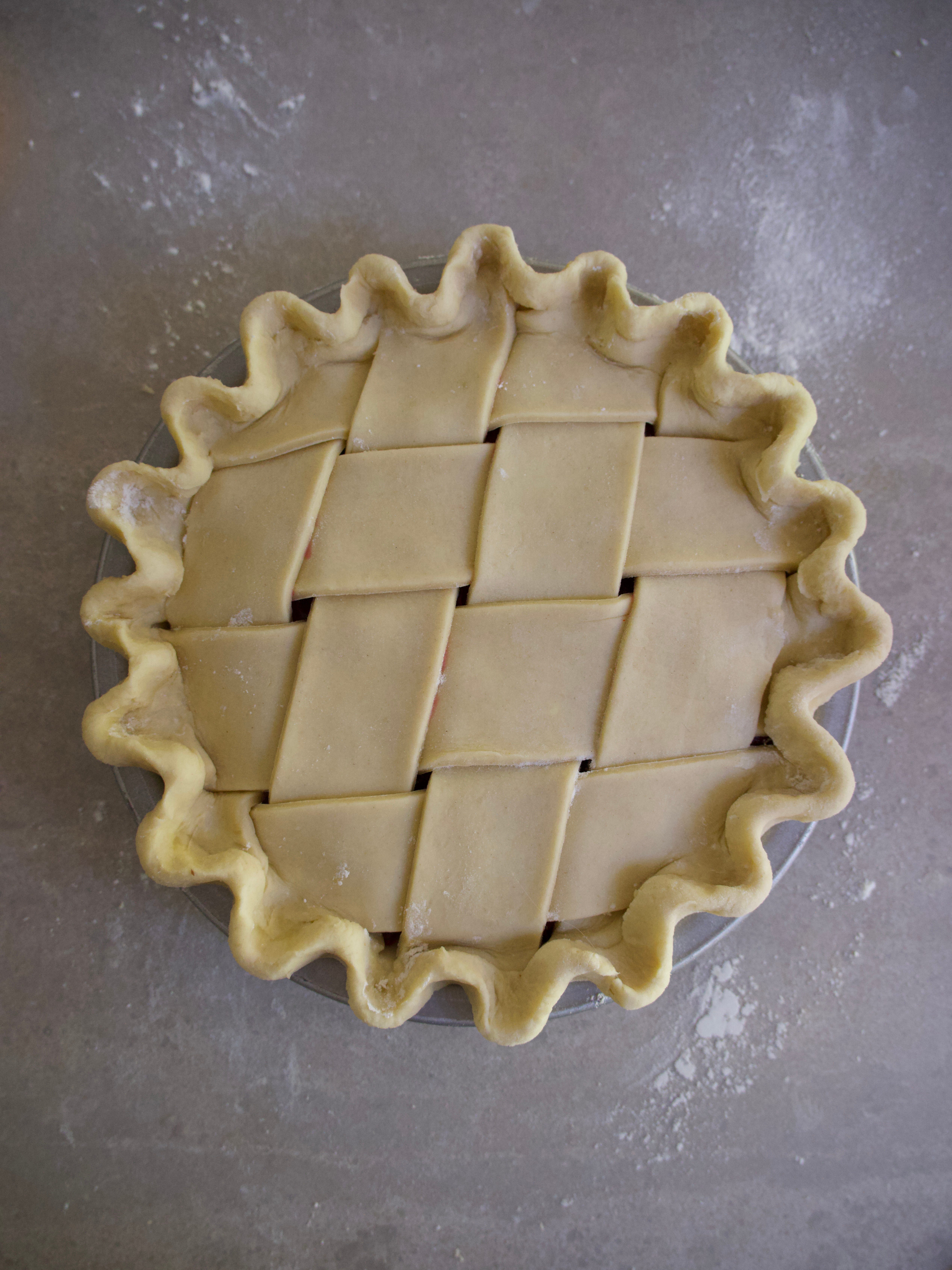
🎉 Welcome to my newsletter, The Boy Who Bakes, a subscriber-supported newsletter dedicated to all things baked. Paid subscribers get a new recipe EVERY WEEK, and this normally costs £5 a month, but for the next few weeks, you can subscribe with 20% off for the lifetime of your subscription! An absolute bargain! .🎉
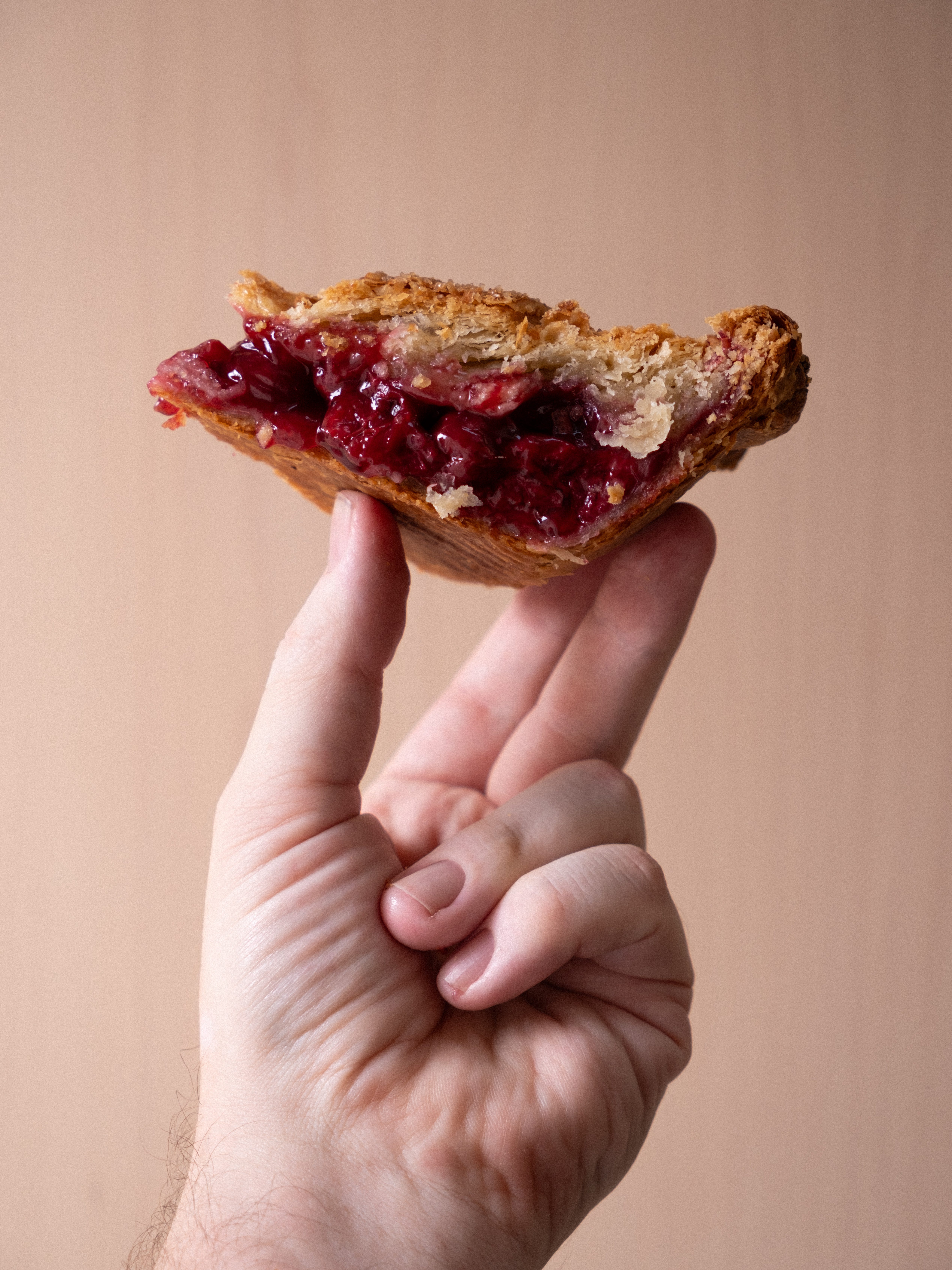
Welcome back to The Basics, the series where I deep dive into a basic of baking and then, over on Beyond The Basics, I show you a wonderful way to use it. Today we're talking all about a super flaky pastry, the pastry I turn to when I want to make a good ol’ fashioned double-crust pie. This week’s Beyond The Basic recipe is the most delicious sour cherry pie, quite possibly the king of pies! This pastry is a bit of a jack of all trades and can be used to make all manner of pies but can also be used to make quiches, hand pies, galettes, etc. It is very low in sugar, so I use the recipe as is for both sweet and savoury applications.
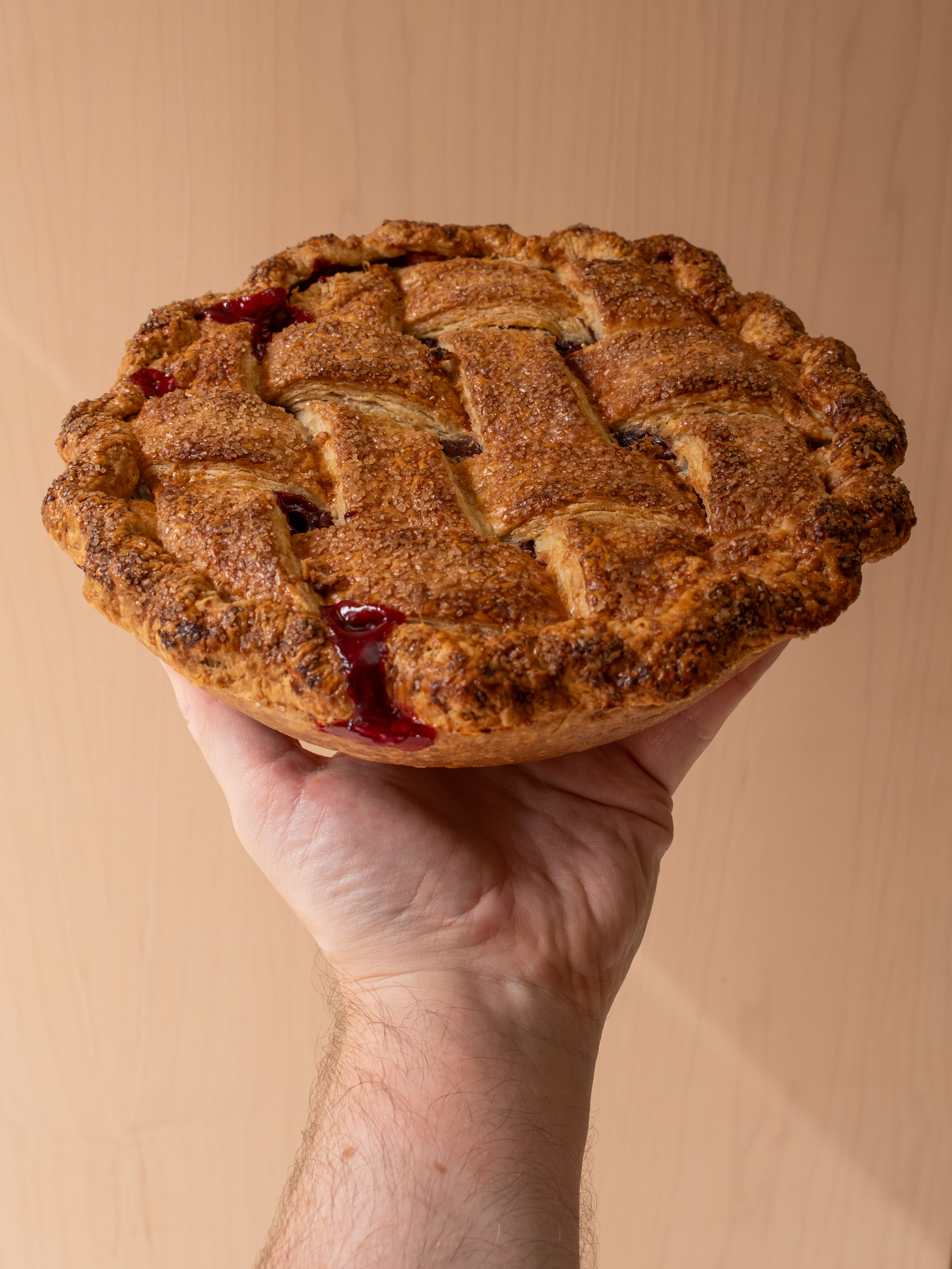
Fat
I use butter exclusively to make my pastry. Many others like to use lard or a mix of the two. I like butter for a couple of reasons, but the main one is that I love the flavour it gives to the pastry. Yes, you can buy high-quality lard that has great flavour, but much of what is widely available in the supermarket is on the bland side. Lard is often preferred because it’s a pure fat and it makes for a pastry that holds its shape very well, perfect for decorative crusts. Butter, on the other hand, makes for a flakier pastry, as its water content plays an important technical role.
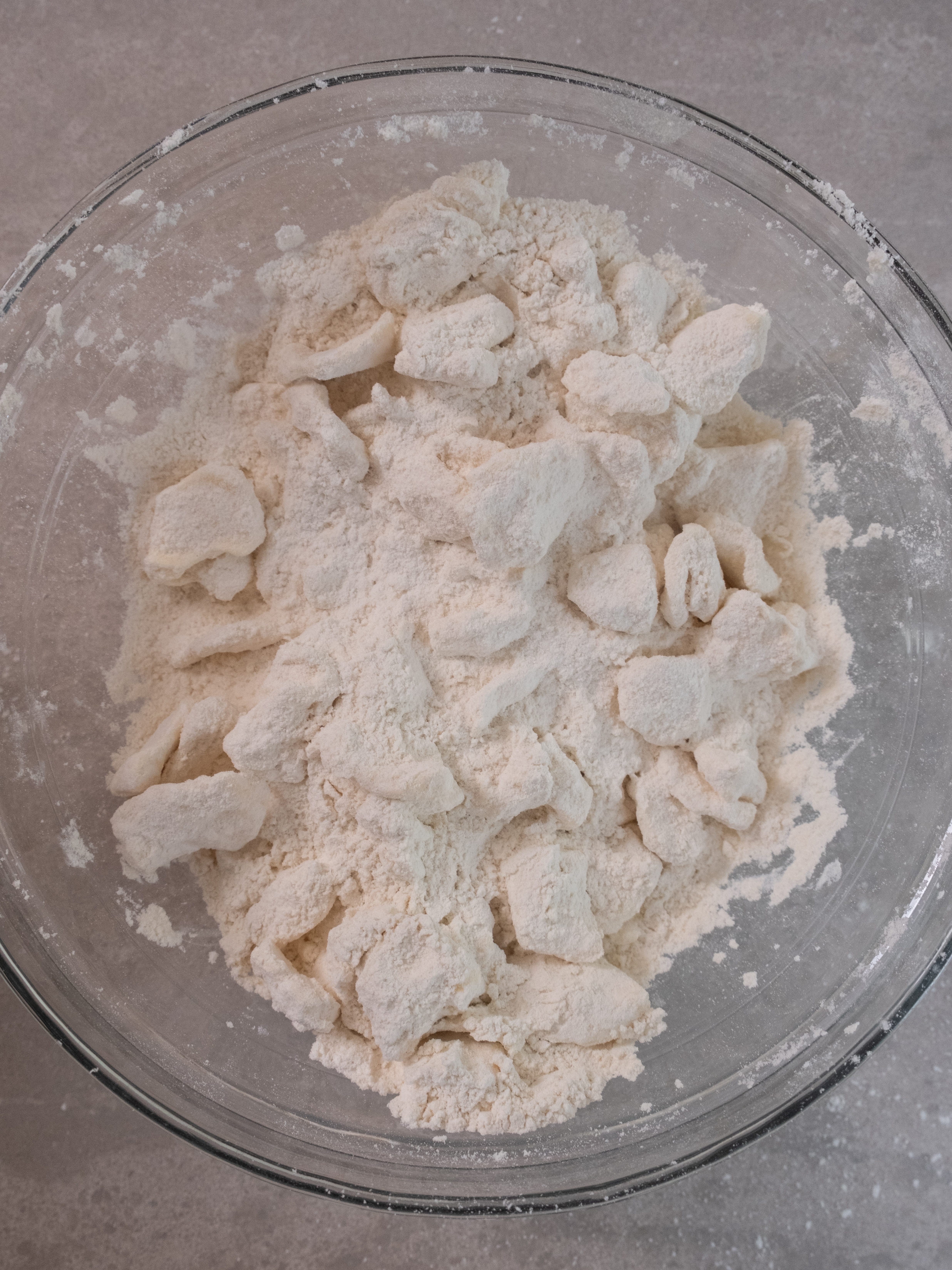
Flaky vs Crumbly
You can take the exact same base ingredients and, depending on how you use them, the pastry could end up flaky, crumbly, or tender. This is all down to how the butter is combined. Butter is 82% fat and the rest is water. It is this water that helps to create the flakiness. If you rub the butter into the flour to get a breadcrumb-like texture, the fat and therefore the water is evenly distributed throughout the dough. When you form the butter into flakes and roll out the dough a few times, the butter forms thin sheets, almost like a puff pastry. When the butter with flakes of butter bakes, the water in the butter forms steam, and it pushes the pastry open. Because of the way the butter is worked into the dough, this creates many, many flakes. When you use butter that is worked in like breadcrumbs, this happens a lot less, and the flakiness fails to appear.
Lamination
In this pastry recipe, we are going to utilise a technique borrowed from puff pastry and croissants: lamination. Don’t worry, this is by no means complicated or technical, but it does have a similar end result: mega flakiness. Diced and chilled butter is tossed through the flour and then pressed into rough flakes, big chunks of butter. This is then chilled again; get used to this mixture going in and out of the fridge. If the butter warms up, it ends up becoming worked into the dough; kept chilled, the butter remains distinct. The liquid is then combined whilst the butter is very cold, to prevent it being worked in any further. And then, yes, it goes back into the fridge. The chilled pastry block is then rolled out into a big rectangle and folded in thirds. This is repeated a total of four times. By the end of the process, the butter will be significantly less visible, but instead of being worked into the dough, it has been rolled into a whole bunch of very thin layers in between the dough.
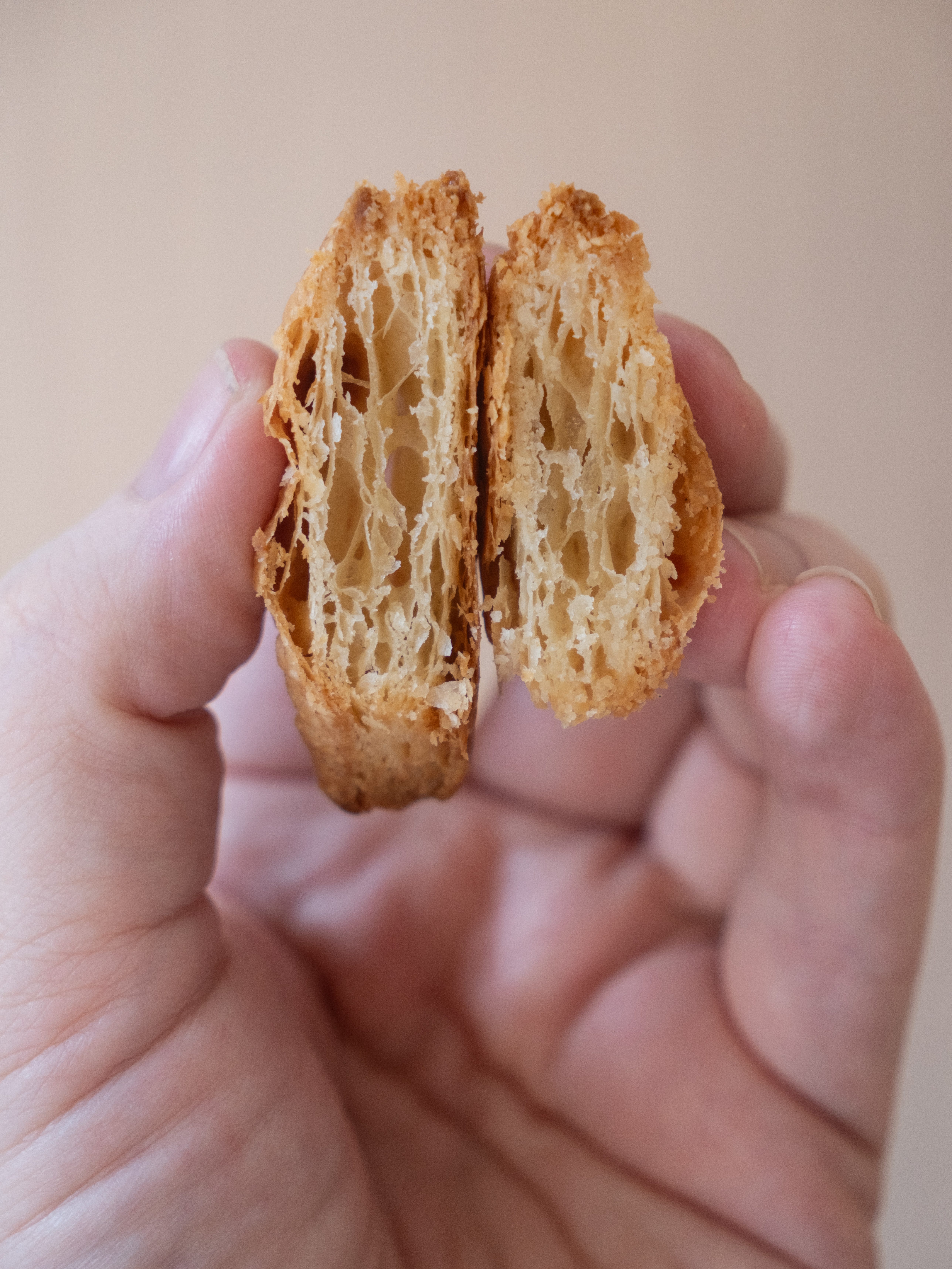
Is This Not Just Rough Puff Pastry?
For those of you who have made a rough puff pastry before, you might be wondering whether this is just the same pastry with a new name. And the answer is not quite. They’re definitely similar, but there are some key differences. Rough puff pastry normally has a 1:1 ratio of flour to butter. In this recipe, the amount of butter is a little lower. With rough puff pastry, I would also normally roll out and fold the dough a total of six times. This makes the dough more delicate like a classic puff pastry. In this recipe, the folding happens just four times, so the pastry is more rustic, even if it still puffs up significantly.
Hydration?
Traditionally, this pastry would have been made entirely with water, and this still works perfectly well. But there are a couple of tricks to make a pastry that is both super flaky and easy to use. Vodka and sour cream.
When you mix flour and water together, gluten starts to develop. To stop the dough becoming tough, we want to prevent this gluten development. Vodka is 40% alcohol, which means, whilst it has the same ability to hydrate, it has less ability to develop gluten compared with water. Sour cream is acidic, and acids also affect the ability of gluten to be developed. The sour cream also makes for a pastry that is an absolute dream to roll out and work with.
It is also worth noting that hydration in pastry recipes is always a suggestion. Every flour you use absorbs a slightly different amount of water, and this is especially true if you're following a recipe on the other side of the Atlantic; US flours tend to be a little more absorbent, so you may need to adjust the hydration accordingly. Try to use your instinct and the feel of the dough as a better guide.
Using This Dough
The dough recipe below is enough for either two single-crust pies or one double-crust pie. If making a lattice crust pie, divide the dough so that one portion is slightly smaller than the other; the lattice uses a little more than half of the pastry. If making a lattice crust keep the larger section as a rectangle and for the bottom crust I press this into a rough disc, shapes that are better for their final rolling out. .
The dough can be refrigerated for a couple of days, but if you want to use it any later than that, it is best kept frozen, where it can be stored for a few months.
Flaky Pastry
Enough for x2 single crusts or 1x double crust
400g plain flour
2 tbsp caster sugar
1 + 1/2 tsp fine sea salt
300g unsalted butter, diced and chilled
80g sour cream
40ml ice-cold water
40ml vodka
In a large bowl, mix together the flour, sugar and salt. If you're working in a particularly hot kitchen, you can place this mixture in the fridge for a while to chill it down as well.
Toss the butter through the flour so that all the pieces are coated in flour. Press the butter into big flat flakes. Working the butter like this will warm it up, so place the bowl back into the fridge for 30 minutes until chilled and firm. Meanwhile, mix together the sour cream, water, and vodka and refrigerate until needed.
Remove the bowl from the fridge and drizzle in some of the sour cream mixture, stirring with a knife to combine. Continue adding the liquid until all of it has been combined. At this point, we need to check if the dough is properly hydrated yet. Tip the mixture out onto the work surface and spread it out to look at the texture. If the dough is forming chunks, use your hands to press the mixture together. If it holds together without breaking too much, you can continue to work the dough until it holds together as a rough ball of dough. If the dough still feels crumbly, you may need to add a little extra water. To do this, loosely spread the dough out across the work surface and drizzle with an extra tablespoon of water. Gently toss this together and then test to see how well the dough holds together. The final dough should hold together but shouldn’t be moist or at all sticky. The dough may have a few little cracks but shouldn’t appear dry or floury.
Wrap the finished dough in clingfilm and gently roll with a rolling pin (this helps to press everything together as a uniform dough). Refrigerate for at least 30 minutes before the next step. I often leave this for a full hour. This step allows the flour to fully hydrate and makes the dough easier to work with.
To laminate the dough, roll it out on a lightly floured work surface into a rectangle that is roughly 20x50cm. Fold the dough in thirds, like a business letter. Wrap the dough in clingfilm and refrigerate for 30 minutes. Repeat this process a total of four times. By the final step of lamination, the dough should be looking much smoother, with much less obvious chunks of butter.
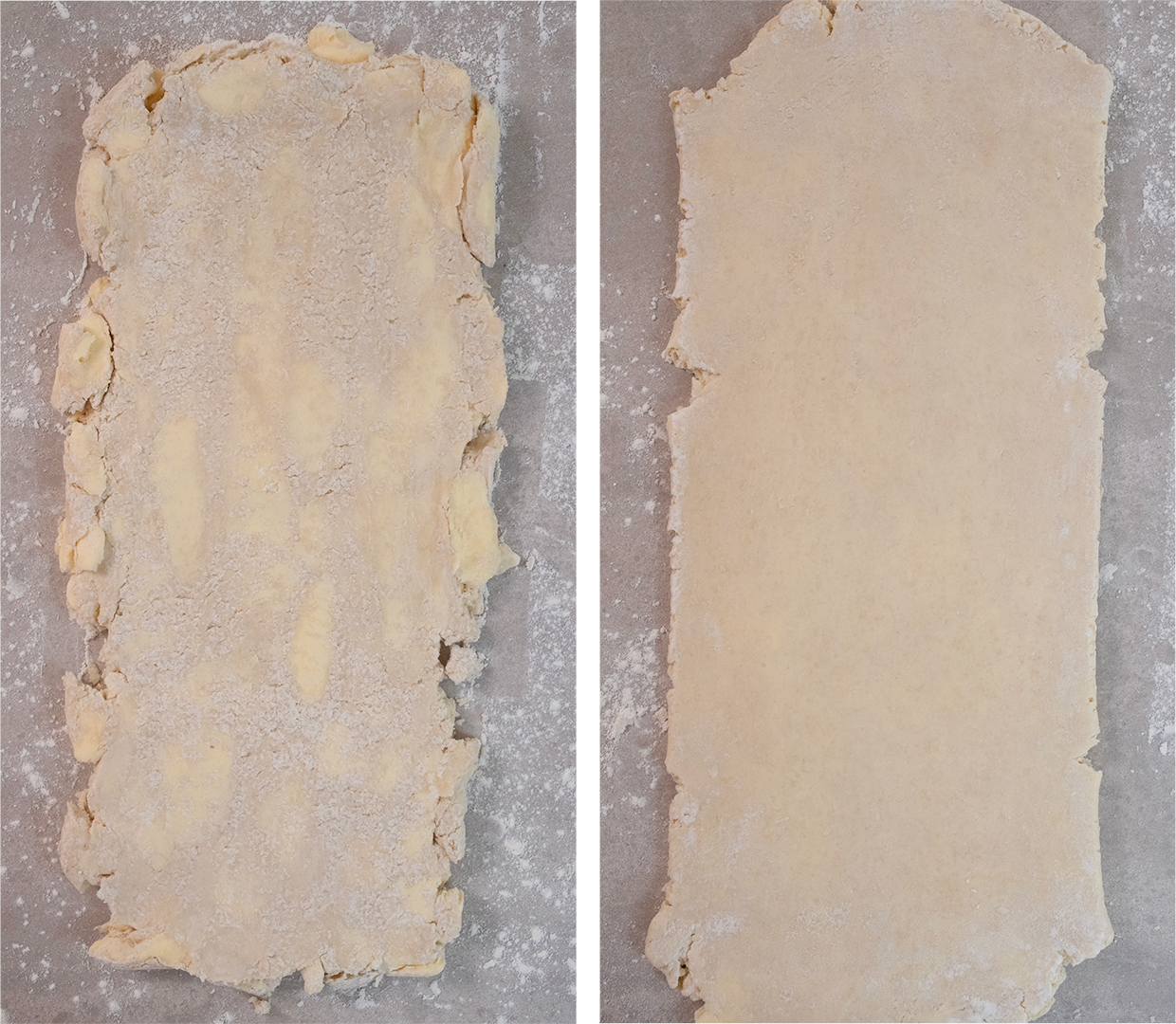
If using the pastry to make single-crust pies or a basic double-crust pie, divide the dough equally in half and press to form two rough discs of dough. If using the dough to make a double crust lattice pie, divide the dough into two portions, one slightly smaller than the other.
Wrap the dough in clingfilm again and refrigerate. You can technically use this pastry after an hour or so, but I much prefer leaving it overnight. The dough has a chance to relax and the following morning will be much easier to roll out. The dough can be refrigerated for a couple of days (after which it will start to oxidise and turn grey), or it can be frozen for a couple of months.
Hey sour cream is nearly impossible to find in lisbon so I use crème fraiche
Oops I also wanted to ask metal pie tin genius but which one? Any recommendations? Thanks!